





BIOGRAPHY: FAYZO’S LIFE & WORK
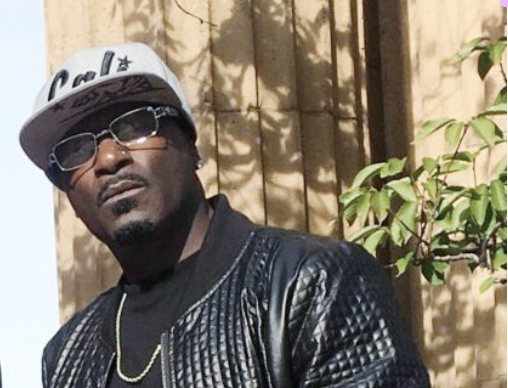
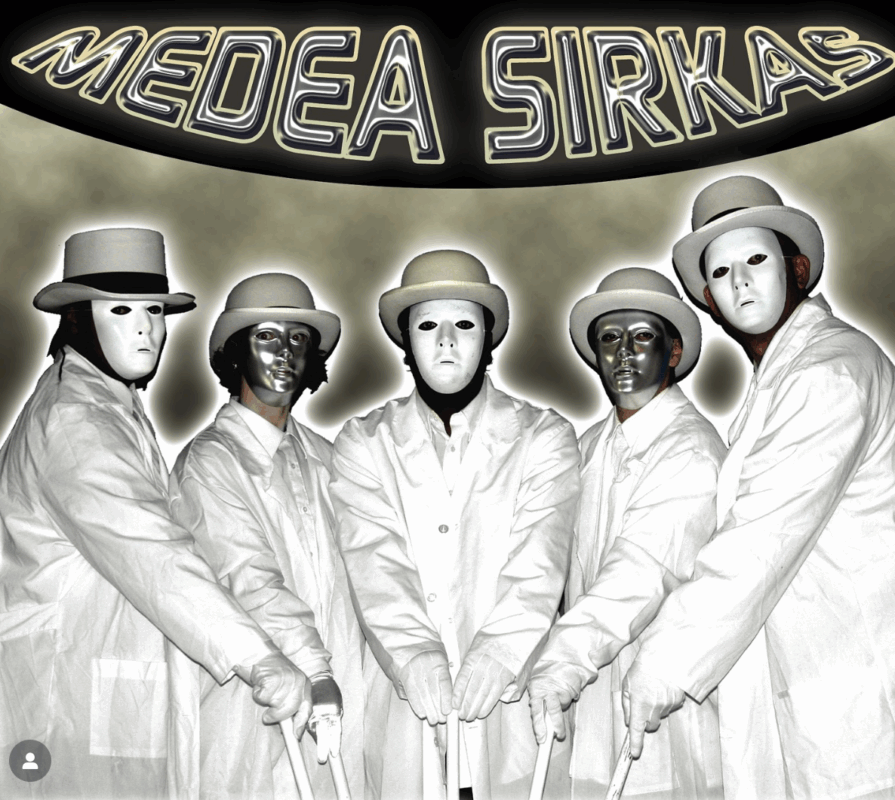
Fayzo, a native of San Fransisco’s Fillmore district, is a director, chief choreographer, and founding member of the lengendary dance group Medea Sirkas. He aspires to continue building his legacy, allowing for the world to envision and discover the intricacies of the art form he defines as Strutting and the Fillmore dance style. Fayzo has performed on stage, television, and in music videos for Paul Wall, Usher, and Justin Bieber.
Fayzo has created a dance portfolio that displays not only a variety of expertise but that also exhibits historical dedication and longevity. He continues to perform, judge, speak on the history of dance, and teach all that he’s learned across the world.
Strutting has both a Solo and Group Form that share the same foundational techniques but differ in what skills they emphasize. Read more here about these different forms and their origins, and watch some curated videos with examples of the dance style.
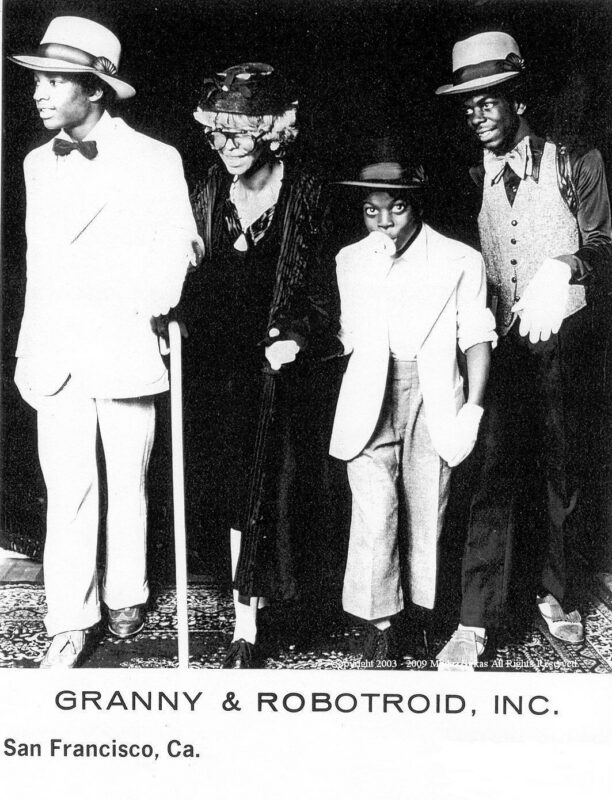
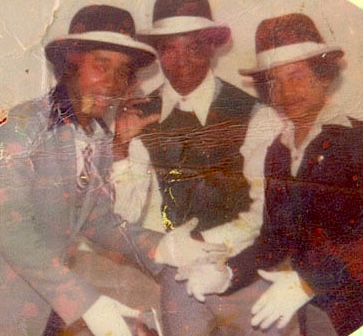
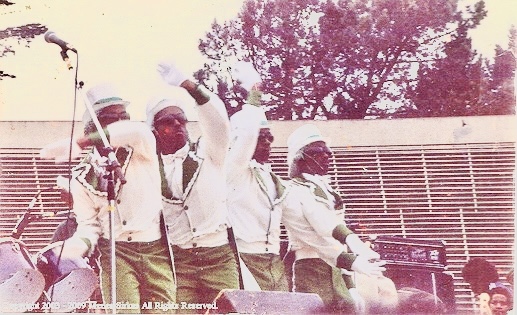
Strutting (group form) is a dynamic Bay Area street dance that combines precision, rhythm, and synchronized movement. Rooted in stepping, Strutting is performed by two or more dancers moving in unison, often wearing matching outfits accented by white gloves and stylish hats such as godfather brims, top hats, or derbies. The gloves and coordinated costuming enhance the visual impact and emphasize the dancers’ clean, sharp movements.
Strutting demands tight precision and timing, like an ROTC drill team, yet it carries the funk, attitude, and individuality of street dance. As Strutting evolved, dancers added new layers of expression—incorporating arm waves, body waves, angles, birds, ticks, poses, and slow-motion effects.
Strutting fuses robotic isolation, funk groove, and performance unity, creating a dance that is both technical and soulful. The dance is built around a vocabulary of moves known as Dominos (ripple effects done in sequence), Together Moves (group transitions where dancers lock into the same move or groove together, and Catch-ons (when one dancer performs a move, comes back, and another dancer “catches on” and repeats the move with them).
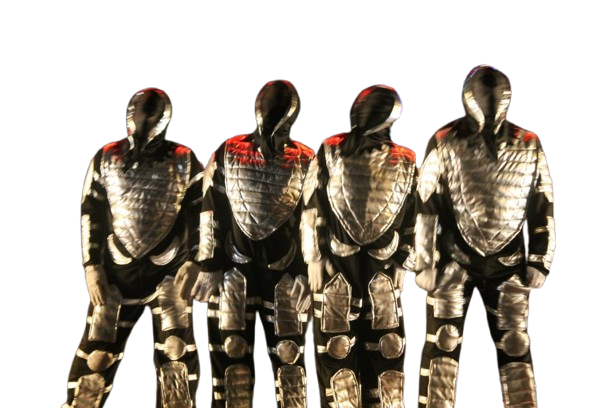
The style was innovated in the San Francisco Bay Area by youth in inner-city neighborhoods. While the phrase “strutting your stuff” had existed long before, it wasn’t until around 1975 that the term Strutting became associated with this particular dance—through the group Granny and Robotroid Inc. Granny (Deborah Johnson), a San Francisco dancer, discovered a group in Oakland called The Robotroids. She took them under her wing, efined their presentation, and renamed them Granny & Robotroid Inc. This partnership solidified and popularized the style that became known as Strutting.
The solo form of Strutting was innovated in the Fillmore District of San Francisco by Ben James. Both group and solo Strutting were originally performed to funk music in the mid-to-late 1970s. As electronic music pioneers like Kraftwerk introduced futuristic, rhythmic sounds, Strutters transitioned to electro-funk, carrying the culture into the 1980s and beyond.
This version emphasizes individual expression, musicality, and control, while maintaining the foundational techniques of the group form. In solo form, Strutting becomes a conversation between the dancer and the music—showcasing confidence, timing, and style unique to each performer.
Solo Strutting consists of:
What Is Strutting (Group Form)
Medea Sirkas Induction Ceremony Highlights
Interview With Fayzo Demonstrating Strutting
Boogaloo Came From Oakland, California
Both group and solo Strutting were originally performed to funk music in the mid-to-late 1970s. As electronic music pioneers like Kraftwerk introduced futuristic, rhythmic sounds, Strutters transitioned to electro-funk, carrying the culture into the 1980s and beyond. Noted Pioneers are Granny and Robotroid Inc., Live Incorporated, Close Encounters of the Funkiest Kind, Medea Sirkas (formally known as Demons of the Mind), and many more who helped shape and preserve the Bay Area Strutting tradition.